


Published
Events, like projects are perceived by the general population through the lens of stories, which are themselves based on experience. These stories can start as personal memories – the amazing trip you had the first time you went to France by the Eurostar; in other cases, memories of what you were doing at the time. What were you doing when the Berlin Wall came down, or the Twin Towers were destroyed in the 9/11 attacks in New York? In yet other cases, these stories become retellings of what we have learned from reading, viewing or listening about historical or current events.
Whatever the original source, the important thing is that these stories, if strong enough, can jump from generation to generation. Unfortunately, the nature of stories means that whilst the way in which they are retold and shared may change, the heart of the story can often remain fixed in time.
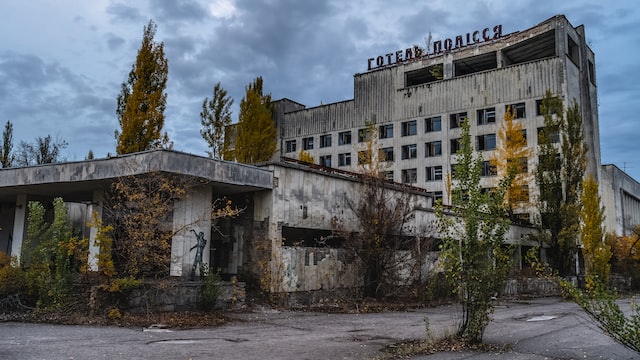
And they can, consequently, define a project or even a whole industry sector. If I say the word Nuclear, what pops into your mind? It may vary from generation to generation, but I suspect that there will be a fair overlap, at least amongst those who don’t work in the industry and so are dependent on stories to understand it. Maybe you’ll be thinking: Three Mile Island, Chernobyl, the Windscale accident of 1957, perhaps all leavened with some images from Dr. Strangelove as a representation of the military context.
And yet, despite their ability to haunt our memories and colour our perceptions, at one level, stories are ephemeral. They can be overwritten by other stories, if those new stories are sufficiently engaging and sufficiently accessible to gain a hold.
The HS2 archaeology programme
The HS2 archaeological programme is just such a story. HS2 is huge, as is the archaeological programme associated with it. In today’s webinar on storytelling organised by the Nuclear Industry Project Management SiG, Helen Wass, Head of Historic Environment at HS2 indicated that well over 1,000 people were involved on digs around the country.
The aim of the HS2 archaeology programme is to tell the story of a nation and its purpose is to “reduce harm to the historic environment and deliver a programme of heritage mitigation including knowledge creation through investigation, reporting, engagement and archiving”.
Through the work of the archaeological team, we come to see the railway in the context of other infrastructure and events from the past that have influenced and formed our society, our culture and our economy. The finds and the history they represent provide us with an extraordinary perspective on the project itself in 2022. They also give local people a sense of place and pride associated with the major finds in their area.
The events and associated activities; everything from local exhibits to national television programmes give everyone a way of understanding what a huge piece of linear infrastructure represents – beyond simply the obvious (a means of transporting people from A to B). The value of this shouldn’t be underestimated when so many people feel less supported in being able to identify the benefits of specific projects. Above all, they generate conversations and reflection around the railway and what it will mean for us.
Storytelling is an essential art for those involved in major projects. For the great majority of the population, who aren’t engineers or project managers or quantity surveyors, their perception of major projects is through the stories those projects can tell. There are those projects which intuitively understand this and make great use of storytelling, framing their engineering in the context of the history of our nation: HS2 and Thames Tideway are two good examples. There are other projects and industries who have yet to grasp the significance of these techniques for informing and engaging stakeholders. The risks they run is that, in the absence of meaningful stories from the projects themselves, they will continue to judge the work on the basis of half-remembered stories and anecdotes passed down from previous generations.
Jonathan Norman, Knowledge Manager