


Published
In July 2021 as part of the process of developing a new National Resilience Strategy, the government began consultation, seeking views across six themes: risk and resilience; responsibilities and accountability; partnerships; community; investment; and resilience in an interconnected world.
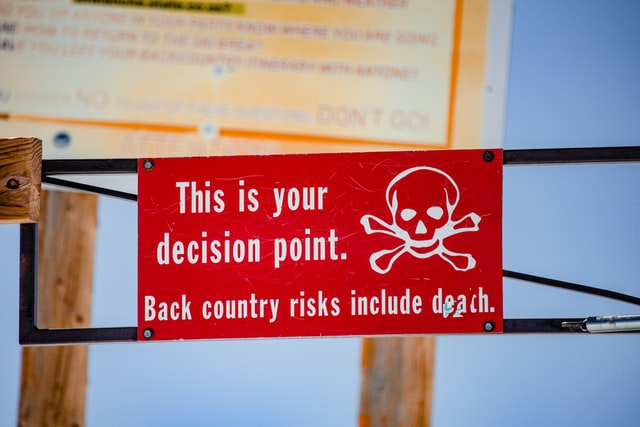
One of the requirements noted in the consultation was: “for government and society to have more open and honest conversations about the risks they are willing to accept, the risks they choose to mitigate, the risk trade-offs and the risks they should seek to prevent above all else.”
This has immediate relevance in the context of major projects, which are surely a big element in national resilience, both in terms of their resilience to risk and their role in building national resilience.
The latest edition of the Risk Module in the IPA’s Project Routemap hints at this in the example of behavioural risk management it provides which talks about ‘Project Leadership Setting the Tone from the Top’ for which a key success feature is described in the following terms:
“An organisation’s risk culture and associated behaviours are driven by its leadership. The enterprise risk management strategy contained a vision statement written by the project director which described the desired risk culture and the required behaviours including transparency and ongoing open and honest discussion.”
The term ‘desired risk culture’ is where the organization articulates “the risks they are willing to accept, the risks they choose to mitigate, the risk trade-offs and the risks they should seek to prevent above all else”.
This perhaps needs further unpacking to be useful. Commentators such as Ruth Murray-Webster and David Hillson have done great work over the last 15 years explaining risk appetite and risk attitude (and the difference between them) but there’s little if any guidance in the project bodies of knowledge on how and when to initiate the kind of open and honest conversation about risk between different players in the project organization.
This has a couple of immediate consequences:
- It leaves organizations unprepared and unable to respond to unexpected risks – the unknown unknowns;
- It bakes in risk aversion. The kind of mindset that says: “risk is bad … risk must be avoided, mitigated, transferred” tends to focus the mind of everyone involved in a project on avoiding bad things happening at the expense of enabling good things.
Projects, and particularly complex projects are essentially ‘exercises in risk and uncertainty’. If we fail to establish an upfront and ongoing process for open and honest conversation, as described in the National Audit Office Report The government’s preparedness for the COVID-19 pandemic: lessons for government on risk management (nao.org.uk) (November 2021), then any project will continue to struggle with risk.
Upcoming Association Events
Risk Management Roundtable, 9th February 2022
Predictions, Pre-Mortems and Risk Prelimination, 17th February 2022