


Published
In support of our current theme of radical uncertainty, Julian Ross – Head of programme integration at Network Rail – offers a series of three blog posts exploring uncertainty in the context of the rail industry, of which this is the last. The lockdown associated with COVID 19 has dramatically (and possibly permanently) changed our travel habits which means we need to think forward NOW what tomorrow’s railway needs to be.
I envisage a UK railway that uses a part of its capacity to meet stable core demand, as it does today, but also applies a significant other part of its capacity flexibly to meet demand that changes and evolves. And I’m thinking, not just of seating capacity on trains or infrastructure capability at stations and junctions, but also leadership and planning capacity.
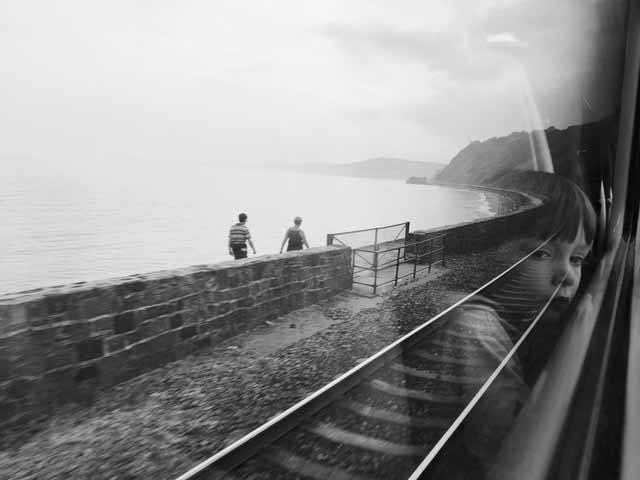
Some trains that carry commuters into big cities today might serve radial journeys instead, perhaps varying by time of day. In peak summer, some commuter trains might carry holidaymakers to the seaside. Timetables would change to accommodate school term‒time traffic, shopping and festival traffic. Multiple unit trains would be lengthened or shortened to tailor supply to demand, with the surplus re‒deployed to meet other demand. A few trains might make on‒demand cross‒country journeys, filled by mobility as a service partners, akin to charter flights or coaches today. And the on‒board offering will adapt to meet emerging needs for accessibility, information, communication, comfort, luggage storage, and so on.
Over time, we will need new types of UK‒standard train that can operate various types of service over a multiplicity of routes in various lengths, joining and dividing when needed. We will need strategic updates to capacity at key stations, junctions, and depots to facilitate new and variable service patterns, the overall quantum of which would be a ‘bounded certainty’. And fewer traditional London commuters may allow planned capacity enhancements around the capital to be deferred, diverting funding for investment elsewhere.
New commercial arrangements will be needed between the Department for Transport, regional transport authorities, train operating companies and Network Rail to enable anti‒fragility to be practically attained. And the industry will need to embrace the objectives, approaches and behaviours that I describe above.
Partnerships across industry boundaries might flourish as new certainties are discovered. For example, synergies between train companies and UK holiday resorts that generate new core flows: imagine ‘EasyTrain’ meets rail‒accessible Centre‒Parcs, theme parks and historic cities.
As a result of all this, the UK’s railway will carry more passengers, and many of them will be more satisfied. Greater ridership will help the railway’s finances, and perhaps leave the industry overall self‒sufficient, at least in terms of revenue versus operating cost. And greater utilisation spreads the cost across more passengers, perhaps enabling a higher proportion of budget fares to be offered.
This collection of articles begins to sketch out the contours of anti‒fragile rail planning. Much more work is needed to develop the concept and work through the practicalities, but the benefits for passengers, freight customers, and stakeholders could be enormous.
Julian Ross
Read Julian’s first blog post: What if we all started working from home?
Read Julian’s second blog post: An anti-fragile rail system?