


Published
Masterplanner and Director of URBAN Silence Martina Juvara reflects on her personal takeaways from COP28 in Dubai, with a special focus on the built-environment professions.
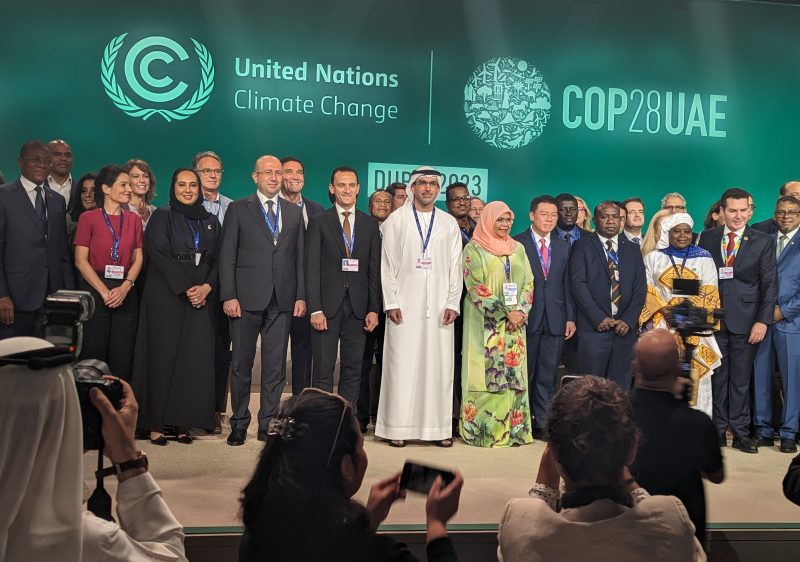
COP28 reached a historic agreement this morning, at 7.15am UK time, when visibly exhausted delegates applauded the first ever agreement to address fossil fuels. This is not the ‘course correction’ that the many were aiming for, but consensus agreement among 198 states to transition away from fossil fuels signifies a monumental shift towards a new fossil fuel-free economy.
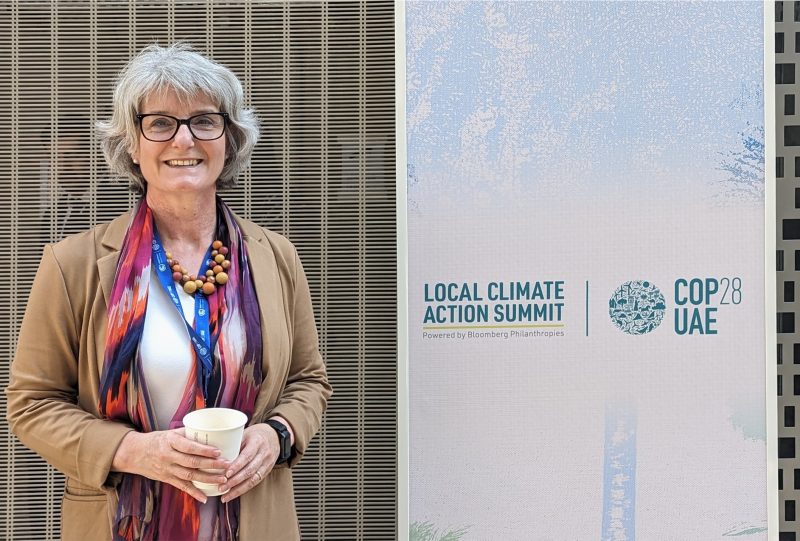
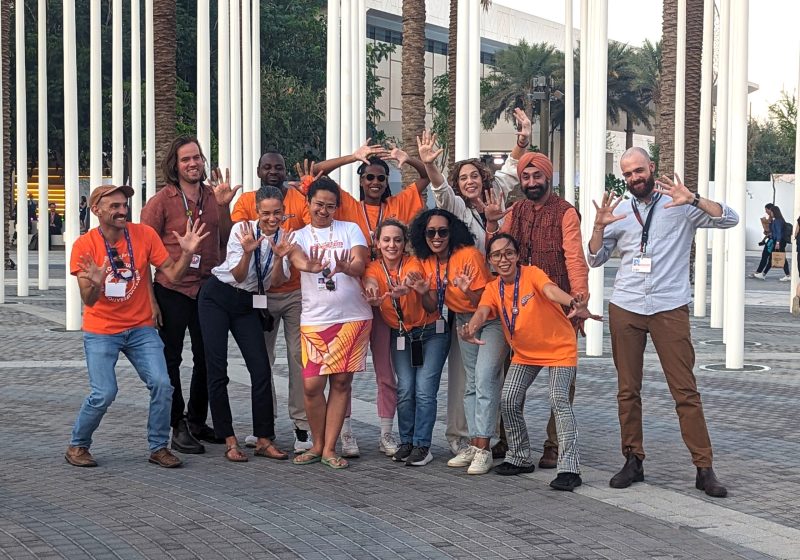
I am a strategic masterplanner and a member of the Design Team of HS2, and recently attended COP28 in Dubai as an official Observer for the International Society of City and Regional Planners (ISOCARP). Amidst the hustle of security checks, late-night activist events, and encounters with global figures, I found myself amidst a diverse and warm community of passionate individuals, fostering a deeper understanding of our world and its imminent challenges. The views of this post are exclusively my own and reflect my own personal takeaways from COP28, focusing only on what matters for the built-environment professions for sake of simplicity.
How the world is about to change
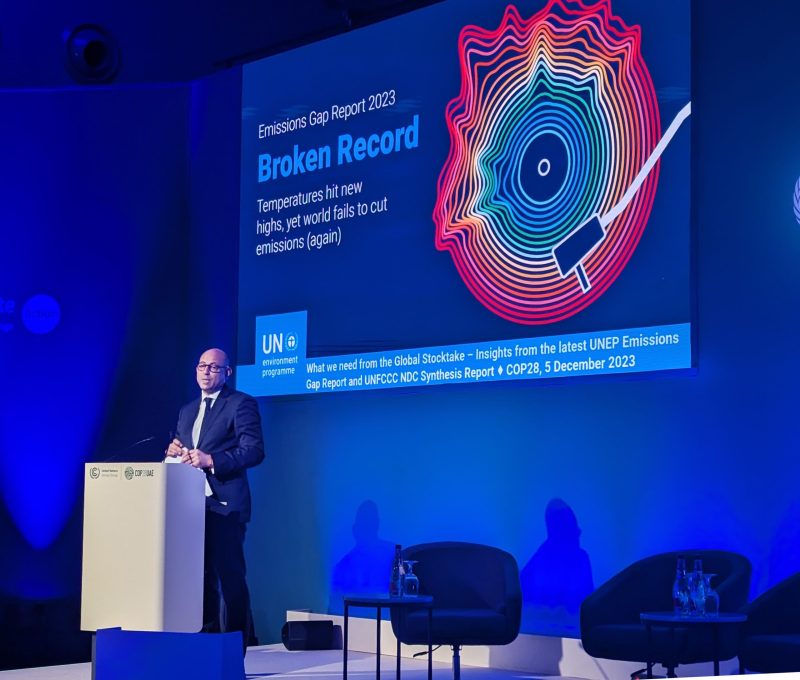
Climate scenarios were assessed by the Intergovernmental Panel on Climate Change, the IPCC [1]. Of these, two scenarios are plausible: the 1.5°C Overshoot Scenario and the 2.5-3.0°C Temperature Increase Scenario. The former presents a chance to stabilize at around +1.5°C above current temperatures after surpassing the 1.5°C limit and causing irreversible damage in the process, while the latter, the current trajectory, leads to extended catastrophic consequences, suffering and massive costs to address widespread disasters.
Scientists invited us to consider the difference that 2-3°C makes on our body temperature: a person is healthy and active at 37 degrees but unable to function or even in danger at 40 degrees. The same happens with nature, infrastructure, our cities and homes. This makes it essential to limit emissions right now, while we still can function at the onset of planetary illness; at the same time we should stock up and prepare, for the illness is sure to come.
Major Projects to take up the challenge
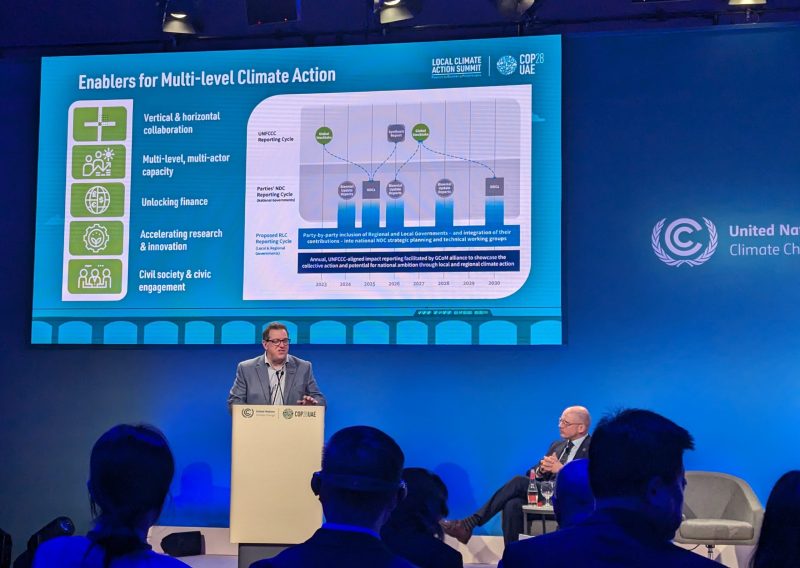
This urgency demands a drastic change in current practice and Major Projects are now tasked with a transformative role. Projects should rapidly evolve into integrated and systemic programmes of change, designed not only to deliver usual outcomes but also to drive emissions to zero, enhance societal resilience, and address social justice. Workforce, suppliers, customers and communities are key stakeholders in this process of change. The aviation and maritime sectors have recently demonstrated how to pave the way towards net-zero emissions and social resilience by 2050 through a comprehensive and systemic approach. The International Civil Aviation Organization, ICAO [2], for example, has been evaluating routes, fleets, equipment decommissioning rates, fuel options, operators, land bases, supply chains, skills and public awareness campaigns. Only with this type of approach they could put forward a credible action plan to reach net zero by 2050 and approach investors.
Other important messages are about speed and scale. This is the very definition of Major Projects, but needs to be framed in the context of reducing carbon and pollution while securing operability in the face of climate emergencies, such as extreme heatwaves or floods. The British Red Cross highlights the burden of frequent disasters, but also calls for reduced vulnerability and better preparedness [3].
Nature-based solutions have a big role to play too – but not as little local greening projects for SUDS or a 10% biodiversity net gain. What we need is on a massive scale: thousands of hectares of forests, regional coastlines, new concepts for agro-businesses and planting programmes with communities, such as the Nature Adaptation Programme in the Gambia [4]. After all, nature is the best technology we have and one that really engages communities in implementation.
Big and ambitious thinking
It is inevitable that the future will require an array of Major Projects: waste, energy, reconceived transport and urban transformation. However, while Major Projects inherently tackle complexity and scale, their frameworks and tools lack the breadth of the urgent demands of climate action. Funding systems, political cycles, cost-benefit analyses, carbon pricing, and urban development plans all fall short of delivering systemic and integrated change and fully consider social justice and legacy. They should be changed and the onus is on us to make the change happen.
As professionals and delivery experts we will have a great and exciting role to play: but only if we shake off current practice, undo 200 years of carbon intensive development and have the courage to advocate for change.
We also need to work at a speed we never have before.
_________________________________________
[1] About — IPCC and key report: IPCC_AR6_WGII_SummaryForPolicymakers.pdf
[3] UK heatwave risk report | British Red Cross
[4] Large-Scale Ecosystem Based Adaptation in the Gambia River Basin | UNEP – UN Environment Programme
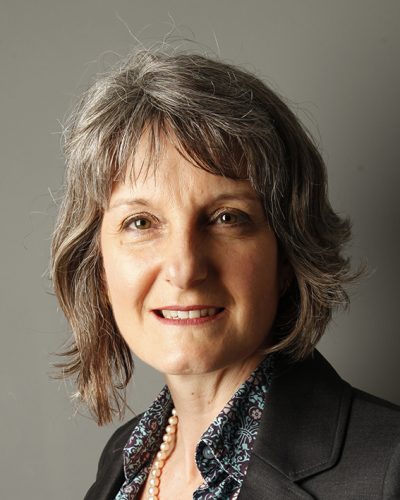
In her professional practice, she works for governments, cities and international agencies in the UK, MENA region and Arabic peninsula, preparing programmes of change involving strategic spatial planning, improved governance and identification of key interventions that can have transformational impact.
Connect with Martina on LinkedIn: Martina Juvara on LinkedIn