


Published
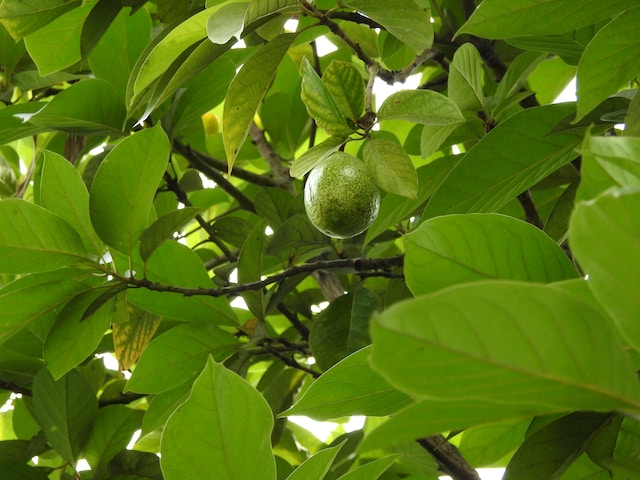
There’s a lot to be said for the Black Walnut (Juglans Nigra). Almost every part of the tree has medicinal properties, “as a mosquito repellent, a dermatological aid, an anti-diarrhoeal medication, a laxative and treatment for parasitic worms. It has been used to relieve the symptoms of fever, kidney ailments, gastrointestinal disturbances, ulcers, toothache, syphilis and snake bites.”
Plus of course it’s beautiful to look at, it’s seeds can be used as a powerful dye and the wood it produces is extremely valuable.
There’s also one other property of the tree. It is allopathic, which means that it’s roots exude a compound that effectively inhibits the growth of other plants around it; other plants that might otherwise compete with the walnut for space, light or nutrients.
The benefit of policies, rules and procedures
Project management tends to generate a considerable number of policies rules and procedures. These can cover everything from the decision-making processes, the limits to authority and autonomy, how projects can be initiated or the basis for the business case, to the ways in which we will work together.
At their best, they are enabling as they:
- ensure rigour and consistency
- help make it clear who does what and when
- provide the triggers for action
- weed out time-wasting or vexatious activities
- align everyone on the project across organisational boundaries
- speed up discussion and decision making
- provide investor/client confidence that the project is being managed in the right way
Just like the black walnut they seem to have many beneficial qualities.
Until they become allopathic
The very nature of these rules and procedures which is to limit and constrain activity or decisions that are outside of the defined norms of the project mean that, rather like the roots of the walnut, they can become allopathic. Innovation, in the choice of project(s) or how they are managed, generally involves doing something differently; breaking the established rules to enable you to respond to changing contexts, to be more productive or to experiment. It is something that organisations talk about continually and has become something of a mantra in these fast-changing, challenging and turbulent times. Unfortunately, the natural allopathy of most governance systems and the rules which frame the basis on which projects may be initiated, will always very effectively inhibit your attempts to innovate both by suffocating any early shoots that do emerge or simply by creating a culture which means effectively that people simply don’t bother trying anything different.
Transplanting a healthy plant
An effective community of practice will provide the medium for a continuous conversation about the rules and norms of the project and allow for ‘what if’ thinking to help anticipate changes and encourage you to experiment. Beyond that, perhaps the best practical solution to allopathy is to transplant new plants; those that are already sufficiently well-established to be able to withstand the negative effects. By which I mean, look for and offer, alternative systems or rules that could be trialed within the organisation as a new growth medium. One that might offer the requisite benefits of the old system without the unintended break on innovation.
Here are a couple of examples to illustrate the point:
The International Association of Public Participation
The Association practices an approach to stakeholder involvement in projects that is highly inclusive and suggests a route towards increasing the democratization of major projects.
The International Institute for Sustainable Development
Offer a tool for Sustainable Asset Valuation which is an assessment methodology that provides policy-makers and investors with a comprehensive analysis of how much their infrastructure projects and portfolios will cost throughout their life cycles, taking into account risks that are overlooked in a traditional valuation.
Jonathan Norman,
Knowledge Manager